Golf
Introduction to Phase III–The Short Course and Golf Practice Facilities
Michael F. Shields
Golf Chair

Country Club of Detroit was built on tradition, but that carries with it a responsibility that extends beyond preserving the past. It must also ensure the Club remains vibrant and relevant for those who will follow. The Driving Range and Short Course have remained largely unchanged since 1965 and were designed for a different era of the game.
That was a time when equipment, playing distances, practice habits, and Member expectations were markedly different. Today’s golfers seek practice environments that allow them to develop every part of their game in ways that feel both purposeful and engaging.
Reimagining the Practice Facilities and Short Course is not about replacing history, it is about thoughtfully updating these spaces, so they continue to serve our membership as effectively as they once did.
The Practice Facilities
Adam Farabaugh, PGA
Director of Golf Instruction

A driving range constructed decades ago was built for a very different version of golf. At the time, equipment was primitive by today’s standards, the golf ball traveled far shorter distances, and practice habits were far less intensive than they are today. Early facilities were often modest in scale and were perfectly adequate for the equipment and the player of the era. Our current facility served its purpose for generations of golfers, but the game has evolved dramatically over the past few decades, especially in the last 20 years.
Improvements in equipment design, golf ball construction, and athletic training have extended the distance of the average golfer considerably. What may have been a suitable landing area previously can now feel restrictive when the average golfer routinely hits the ball much farther than previous generations, with stronger and more competitive players carrying the ball considerably farther. Older Practice Facilities were simply not designed for the scale of today’s game, often lacking the length and safety standards required today.
Just as important is how golfers use Practice Facilities today compared to years ago. In earlier generations, practice was far less structured and far less frequent for the typical golfer. Many players simply arrived at the course, hit a few balls before their round, and headed to the first tee. Today, golfers place far greater emphasis on dedicated practice sessions, skill development, and warm-up routines. Practice Facilities are now expected to accommodate higher volumes of players throughout the day, particularly with the growth of junior golf, teaching programs, and more people entering the game than ever before.
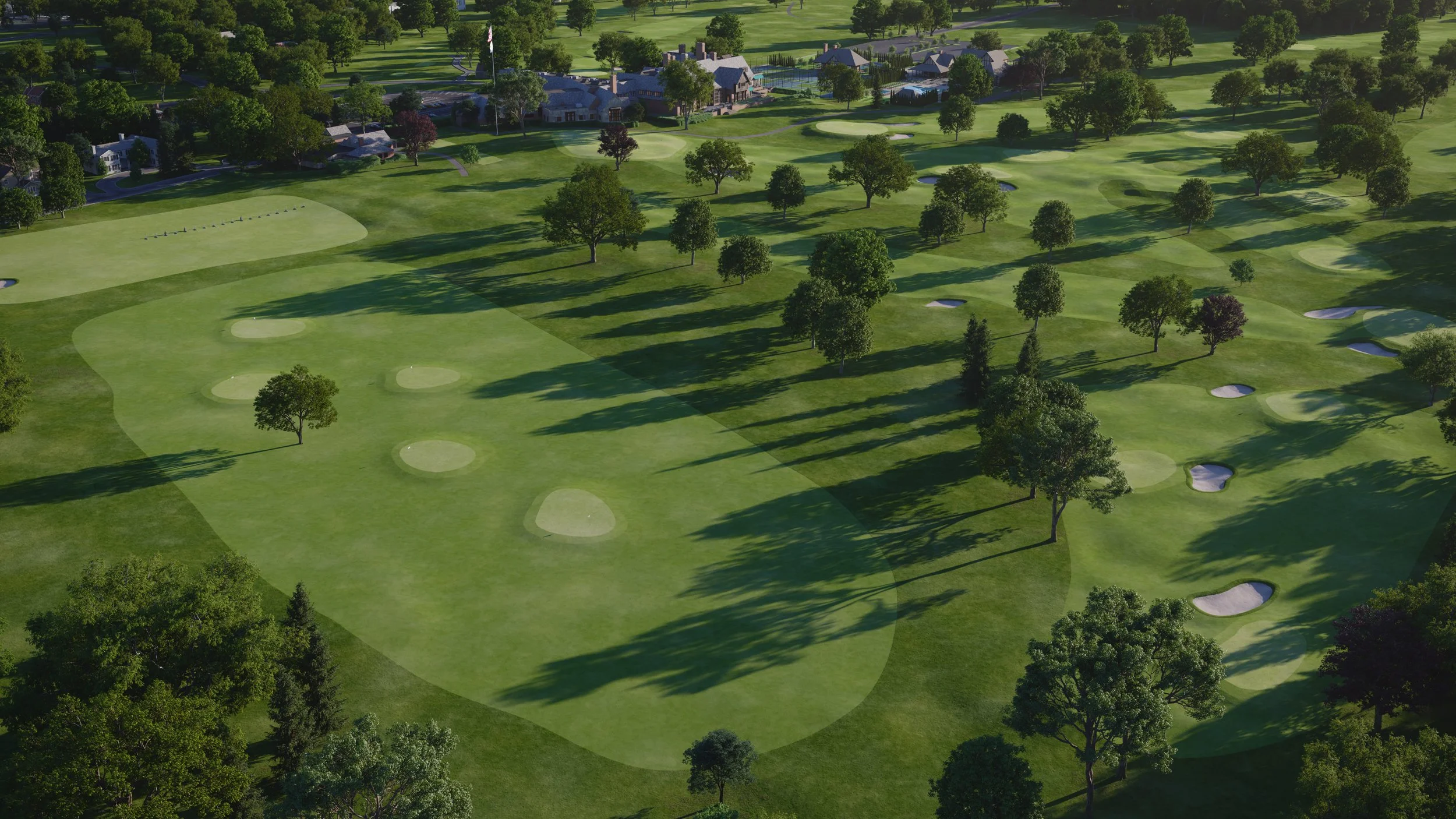
Because of this increased usage, modern Practice Facilities emphasize larger teeing grounds that allow for rotation and turf recovery, multiple target lines, and space for different types of practice. The proposed facility allows the golfer to hit on turf six days a week for most of the season, incorporating fairway bunker practice and target greens for measurable feedback.
The evolution of the practice facility mirrors that of golf itself. The range that once comfortably served golfers in the 1960s now struggles to accommodate the distances, practice habits, and participation levels of today’s game. Updating or reimagining these spaces is not about abandoning tradition, but about ensuring that the environment reflects how the game is played and learned today.
The Short Course
George Forster, PGA
Director of Golf

A modernized and updated Short Course at CCD offers a fundamentally different, and more beneficial, experience for Members compared to our current and older Short Course which was primarily designed as miniature tests of precision. Our current Short Course is constructed with very small greens and numerous penal greenside bunkers that punish anything less than a perfect shot. While that style has its place historically, it can unintentionally discourage regular use, especially among newer golfers and juniors. When a well-struck shot leads to a difficult recovery, or a beginner can’t navigate through a hole without hitting it into a bunker, the course becomes more intimidating than inviting.
A modern, updated Short Course shifts the focus from punishment to engagement and creativity. Larger greens and more fairway-height turf allow a beginner to successfully navigate the course while allowing more advanced players to experiment with different types of shots; like flop shots, bump and runs, and other creative recoveries around the green. Rather than penal bunkers that protect and surround almost every green causing frustration, contemporary bunkering is often designed to influence strategy and visual interest. The result is a course that promotes successful play while remaining enjoyable and challenging for golfers of all skill levels.
Another major advantage is how a modernized Short Course promotes frequent use. When the layout is welcoming and the greens offer space and variety, players are more likely to use the course for casual rounds, short-game training and practice, quick after-work loops, and an extension of play when hosting guests. A Short Course that is playable for all abilities can act as a breeding ground for juniors, is conducive to quicker rounds for time-crunched individuals, and can become one of the most active areas of a club.
“The flagstick is the target for the better player. The green is the target for everybody else.”
Robert Trent Jones, Sr., “Golf’s Magnificent Challenge”
Ultimately, transitioning from an older, underutilized Short Course to an updated modern one is less about replacing tradition and more about building upon it. The goal is not to remove the past, but to reimagine it in a way that invites more players to participate, as CCD has done across the board for decades. By emphasizing creativity and playability, an updated Short Course can transform an overlooked part of our facility and turn it into one of our most vibrant and valuable assets.
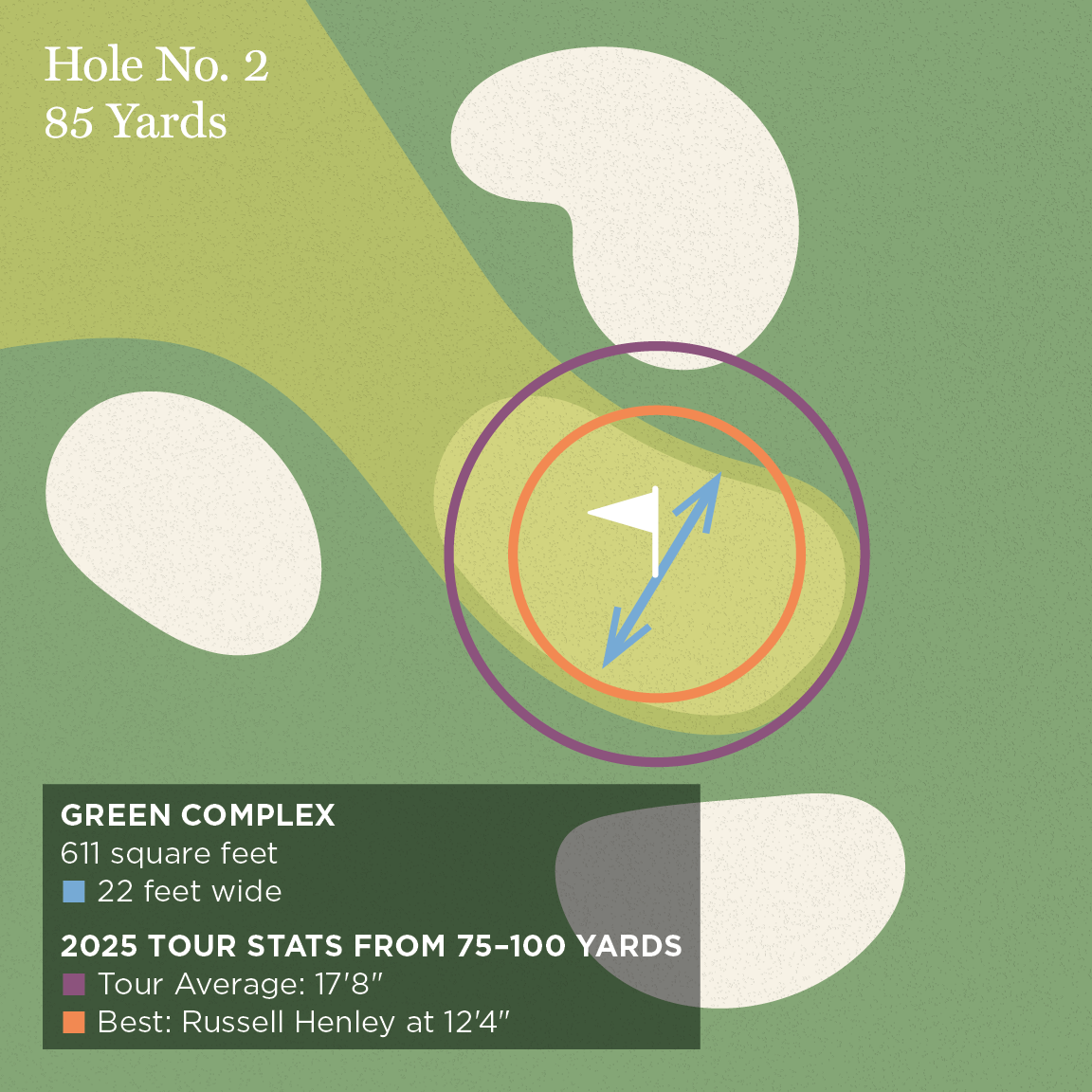
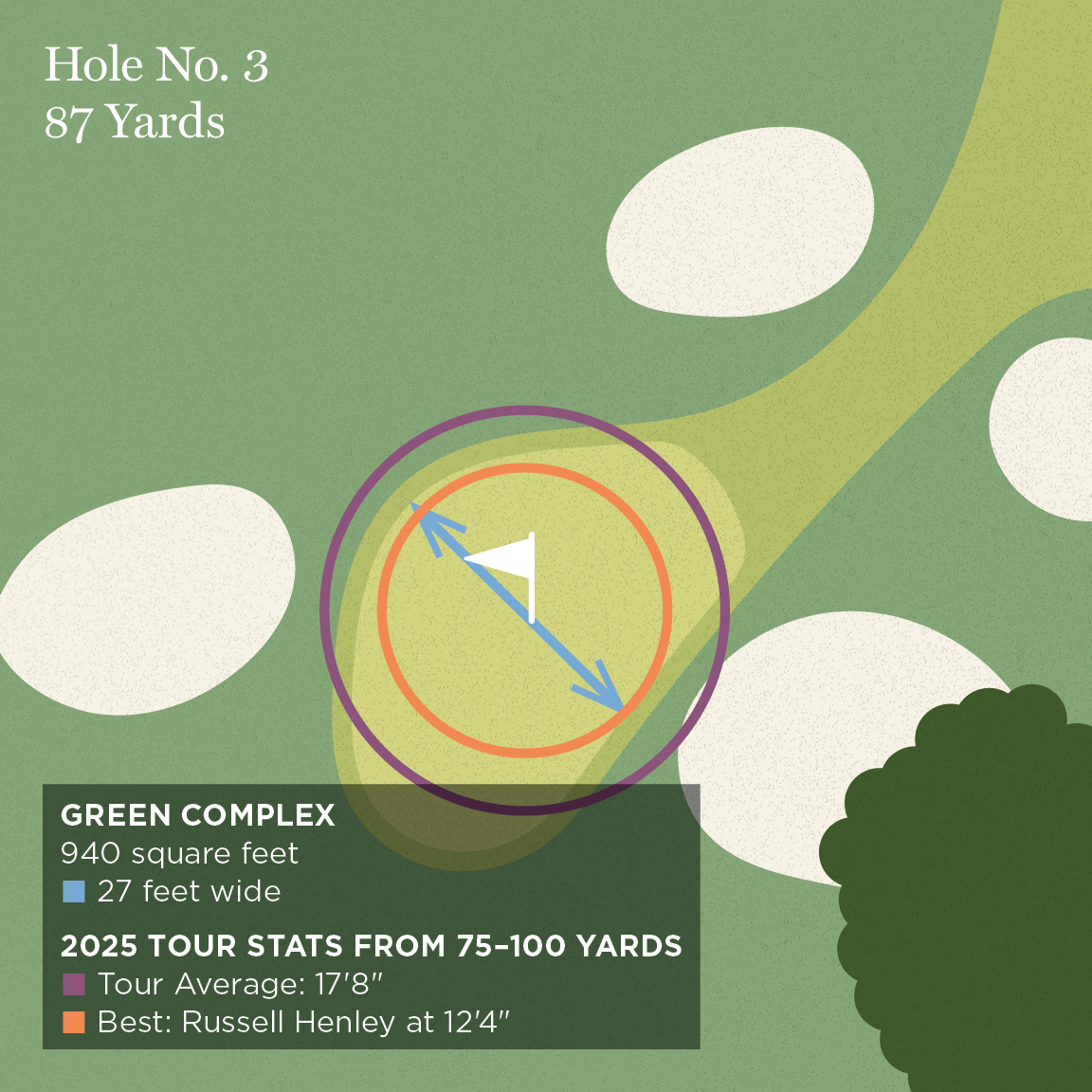
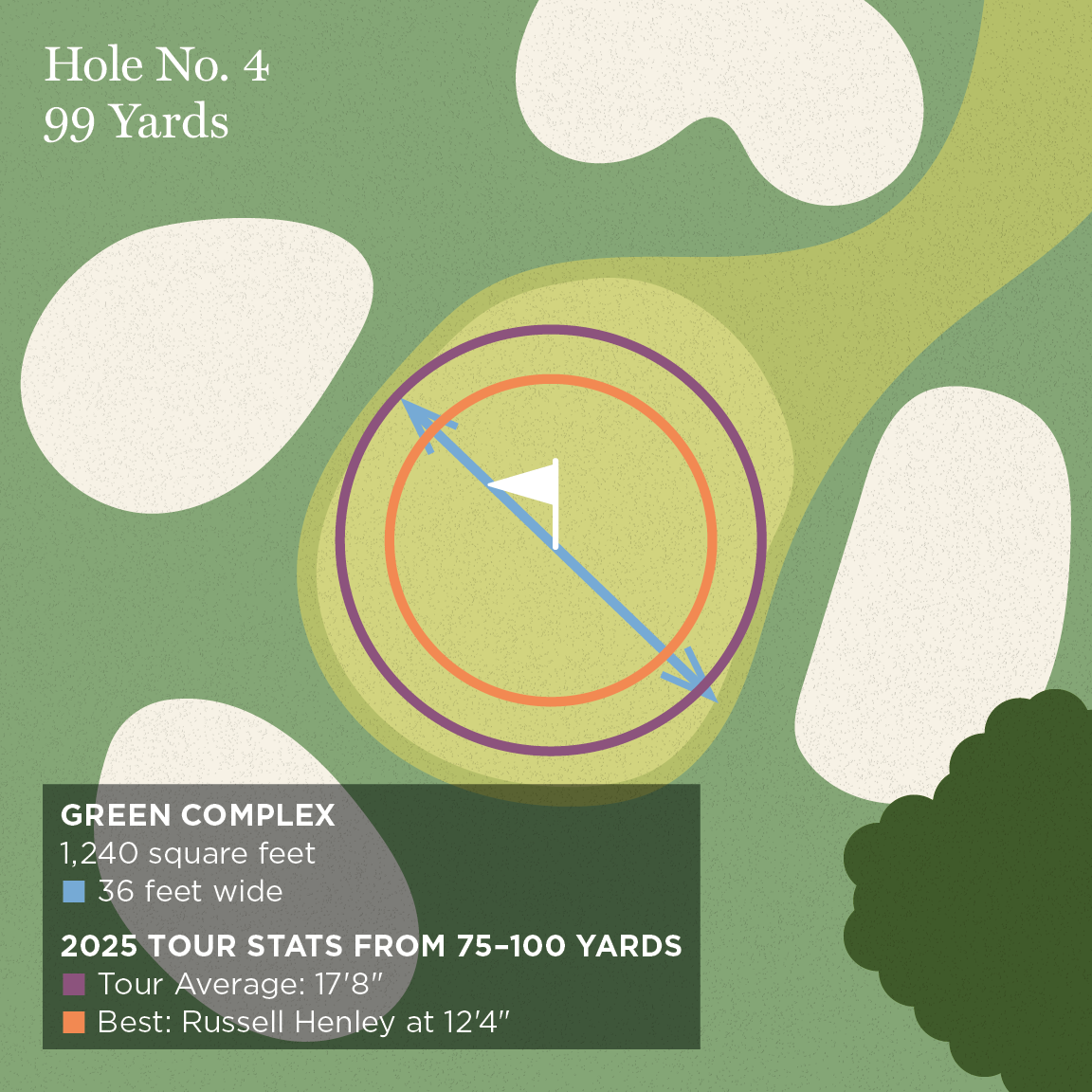
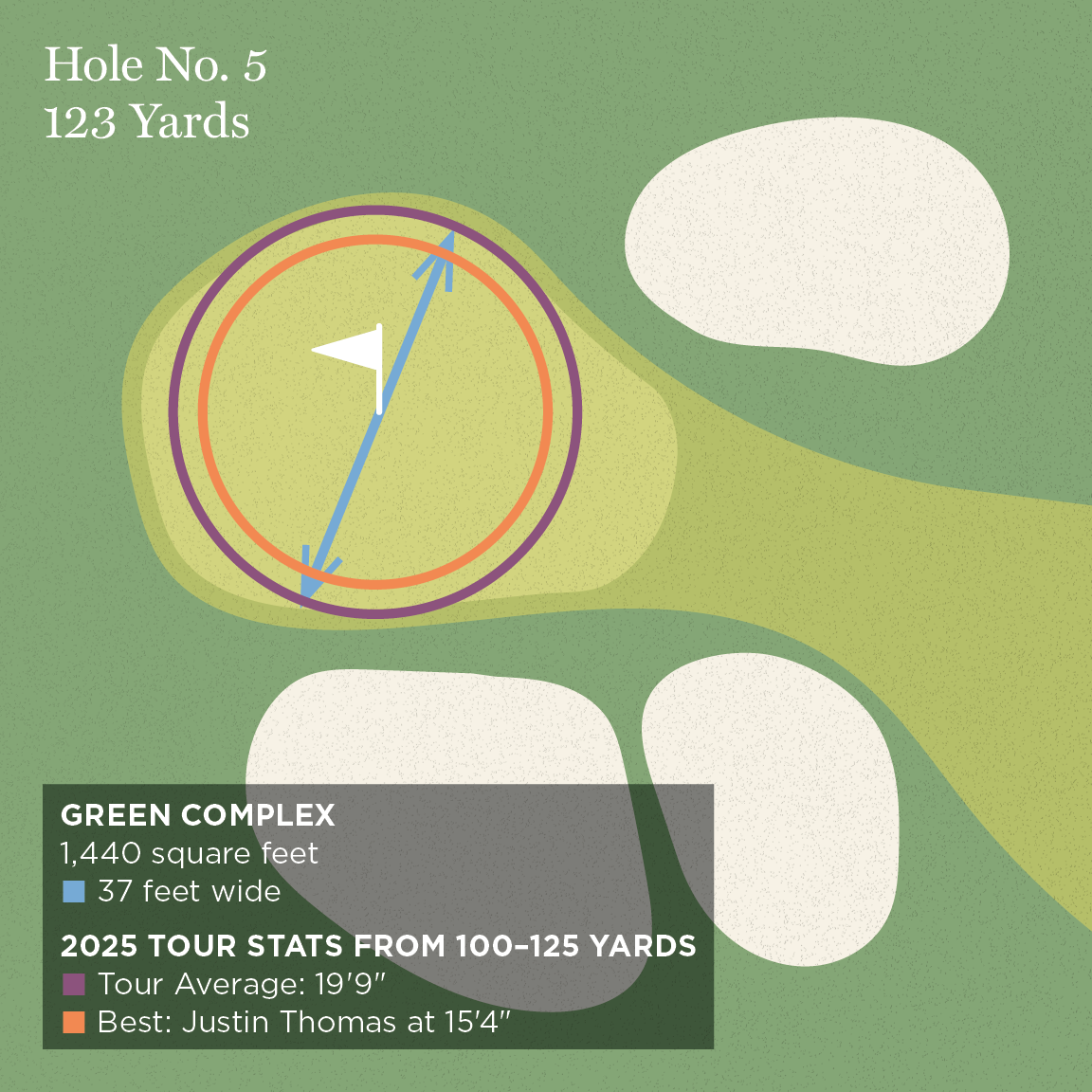
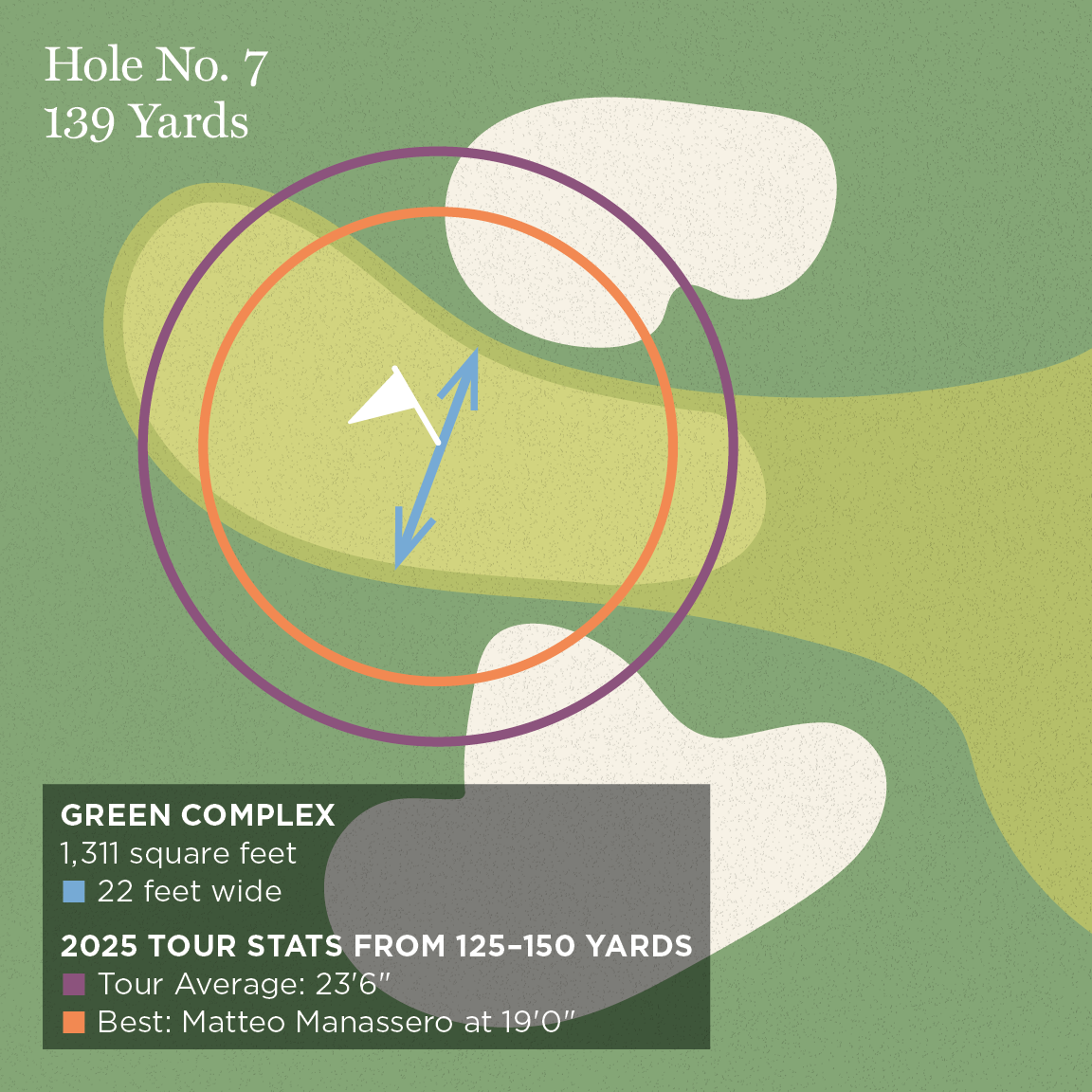
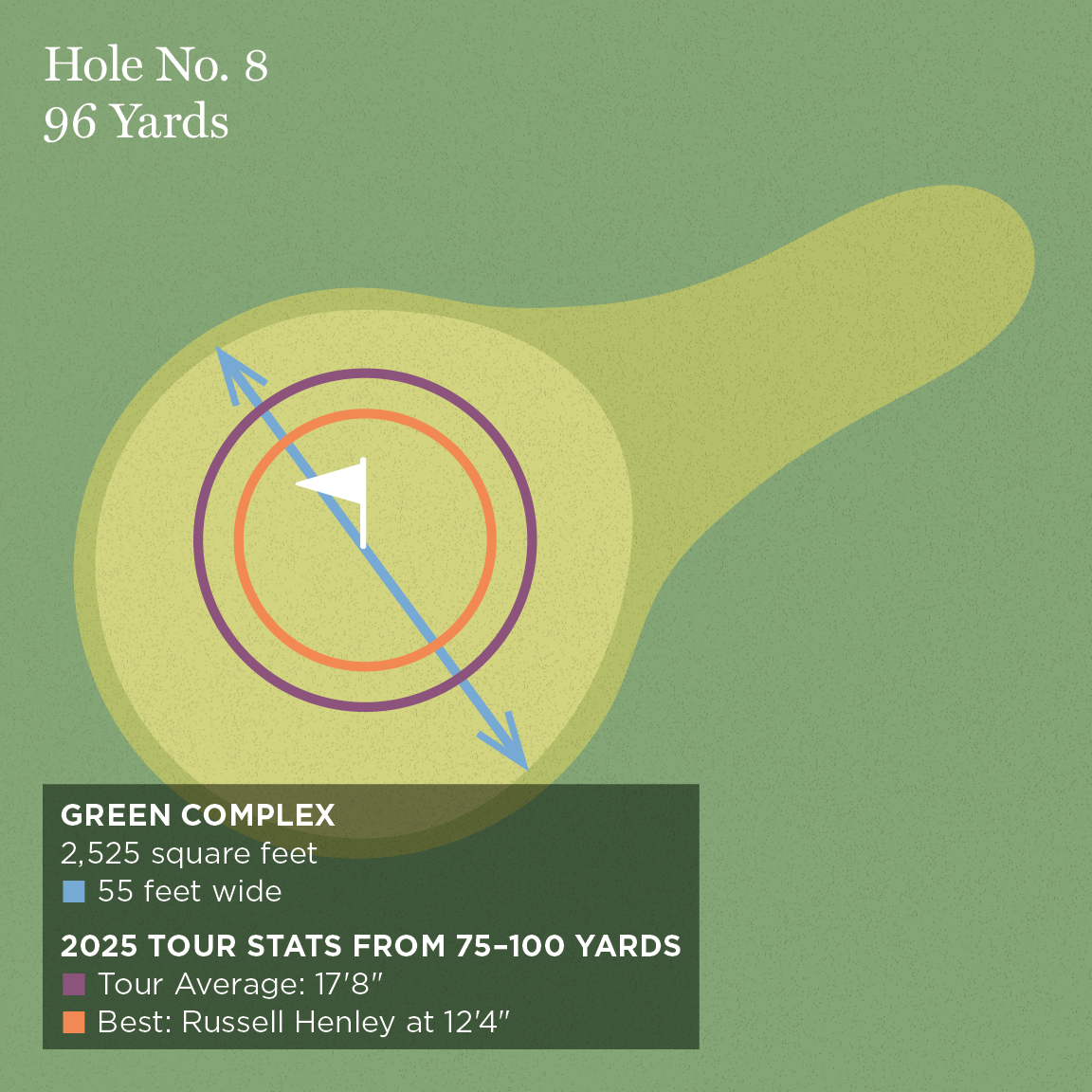
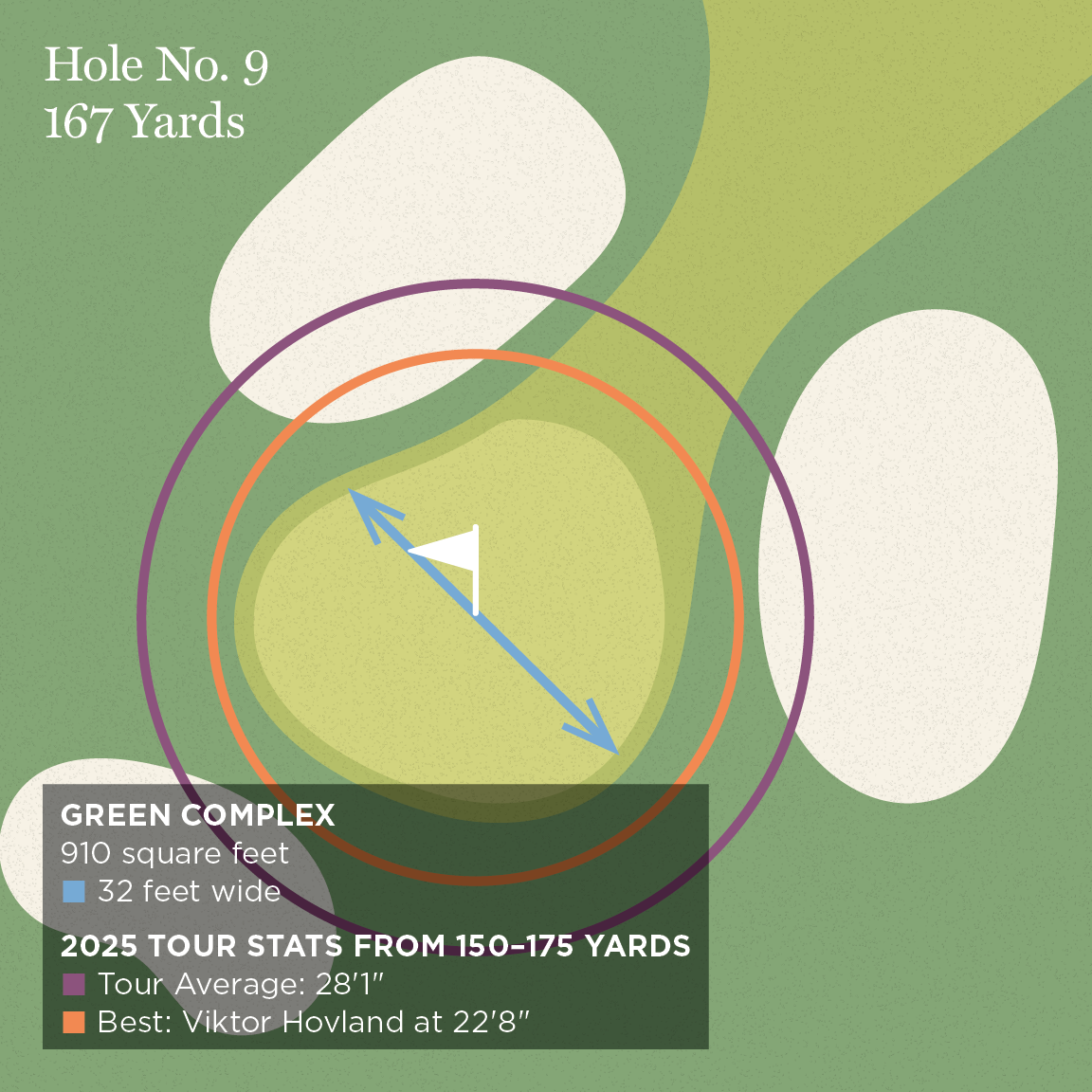
How would PGA Tour players perform on the current Short Course?
The Club’s current Short Course is challenging for world-class players, let alone juniors and beginners. To enlarge the images below, click or tap on each. To return to this main page, choose the X icon in the upper right-hand corner, or use the escape key on your keyboard.